The school inside the AI factory.
Every SAVRN campus ships with its own technical institute — ten departments and forty-three hands-on courses that train the people who run it. Real switchgear, real cooling loops, real GPU clusters. Courses stack into certificates and associate-degree pathways, and the factory opens with a workforce that already knows the building.
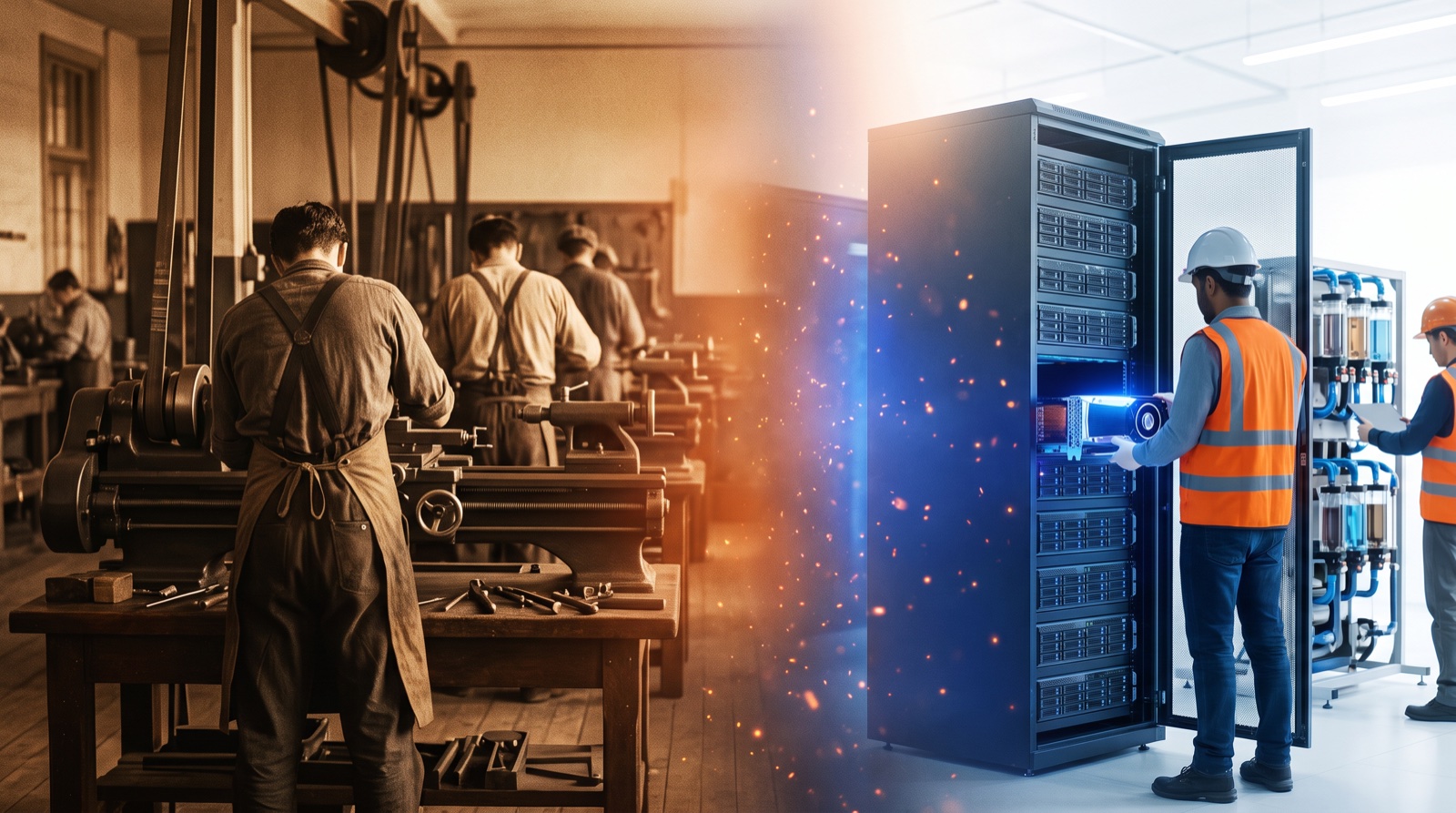
A factory is only as good as the people who run it.
Taught on real equipment
Labs run on the same systems the factory runs — switchgear, chillers, liquid-cooling loops, structured fiber, and live GPU clusters. Students learn the exact procedures the site uses on day one.
Credentials that stack
Courses build into stacked certificates, and certificates anchor four associate-degree pathways — from critical-facilities operations to AI and compute operations. Nothing is a dead end.
A workforce that stays
The Institute trains local people for the campus in their own community. When a SAVRN factory opens, it opens staffed — and the region keeps the skills for good.
Ten departments. One floor.
Every discipline an AI factory depends on, taught as a craft — from the common core everyone shares to the applied AI operations that earn.

Common Core
Where everyone starts — safety and critical-facilities discipline, technical math, workplace documentation, and how an AI factory actually works.

Data Center Operations
Running the floor — day and night critical-facility operations, service management discipline, and the preventive-maintenance program that keeps a factory online.

Network Engineering
The fabric — structured copper and optical-fiber cabling, switching fundamentals, and the high-speed fabrics that let thousands of GPUs work as one machine.

Hardware & IT Systems
The compute itself — server hardware and rack-and-stack, Linux for data centers, and hands-on GPU-cluster operations.
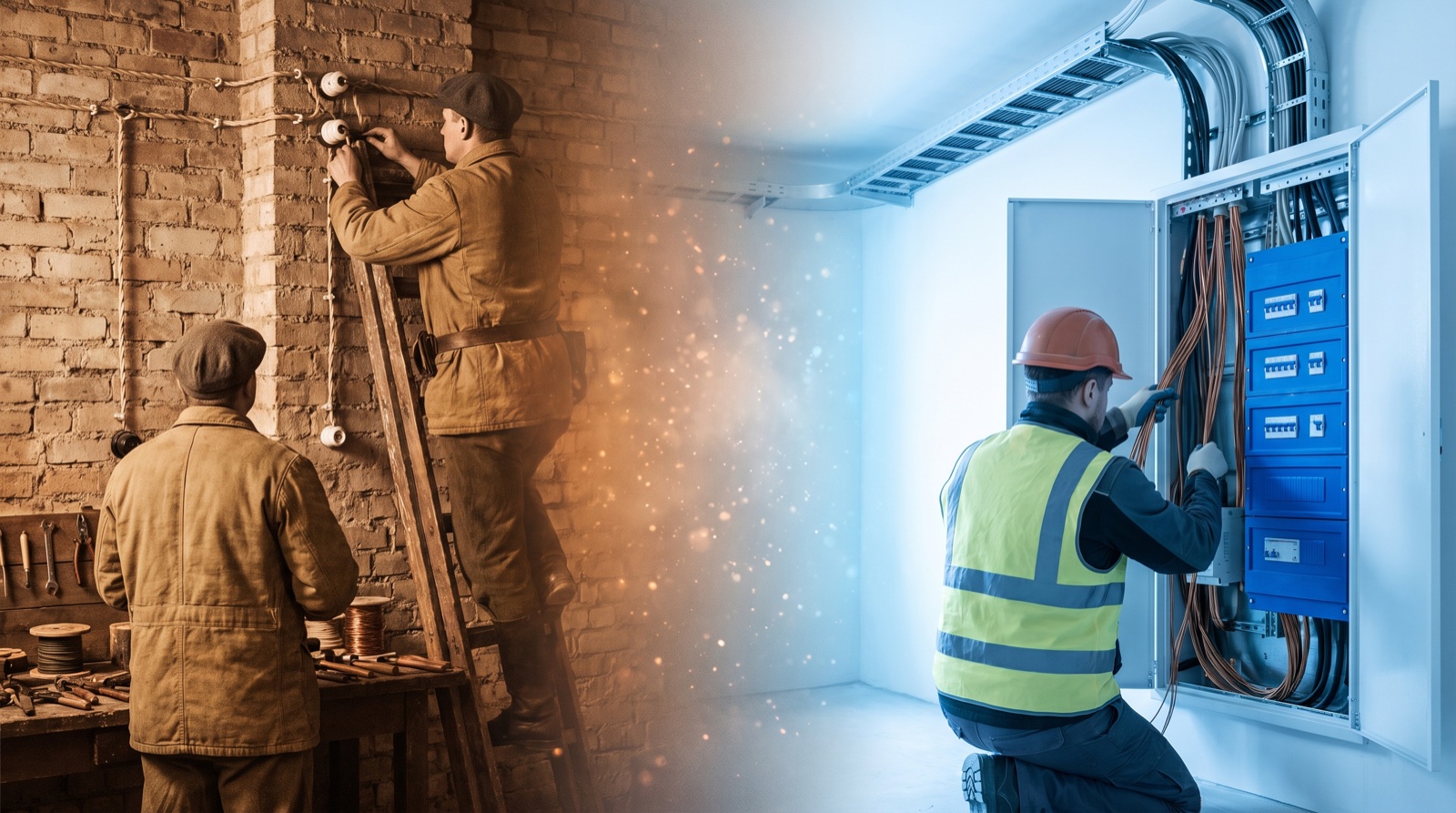
Electrical Systems — Low Voltage
Power below 600 volts — National Electrical Code fundamentals, branch-circuit and cable-tray installation, and the controls wiring behind building management.
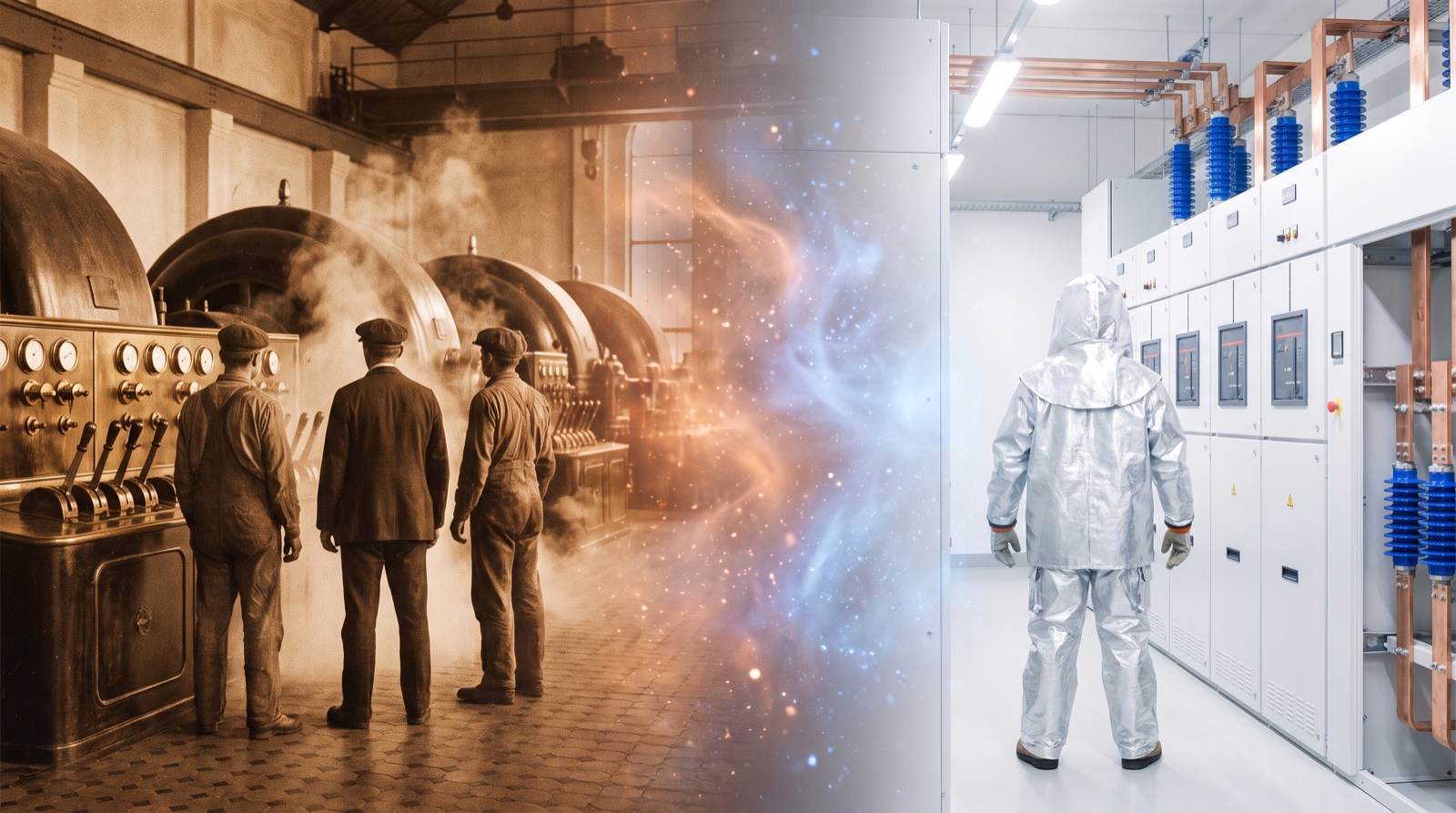
Electrical Systems — Medium Voltage
The high-energy backbone — medium-voltage fundamentals and the NFPA 70E qualified-person path, switchgear and substations, fuel cells, energy storage, and on-site generation.
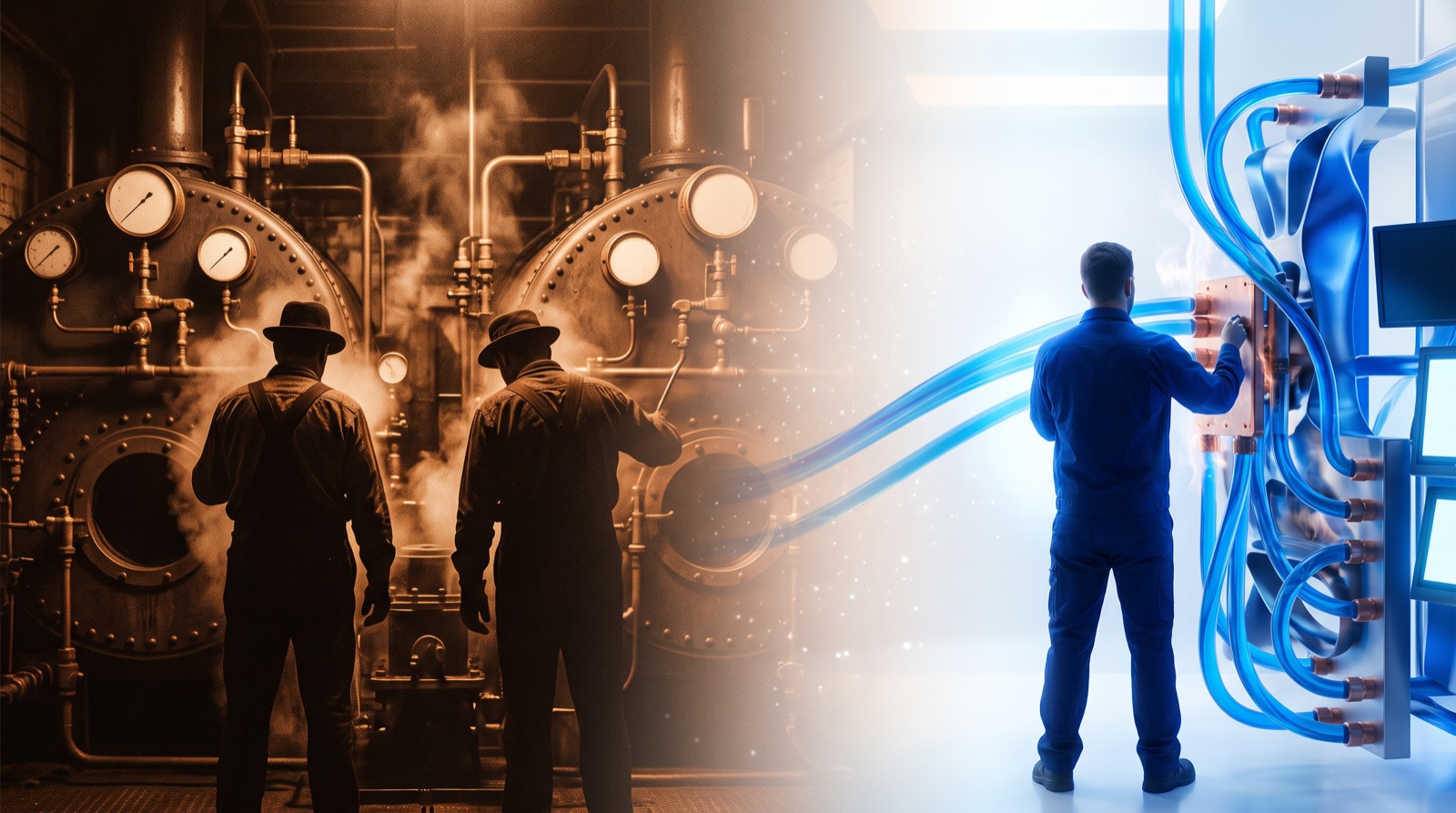
Mechanical Systems & Thermal Management
Keeping it cool — HVACR fundamentals and EPA 608, chillers and cooling towers, direct-to-chip liquid cooling, and heat rejection.

Security — Physical & Cyber
Protecting the asset — physical security, fire detection and suppression, and the cybersecurity that keeps operational and IT networks safely apart.

Service Delivery & Business Operations
The business layer — service-level agreements and service design, power markets and data-center economics, and compliance, audit, and SOC 2.
Applied AI & Compute Operations
Where the factory earns — AI literacy through cluster bring-up, fabric and scheduler operations, model serving, factory economics, and a live-site capstone.
Every course leads somewhere.
Courses
Hands-on technical courses, from foundations to a live-site capstone. Most hours are lab hours.
Stacked certificates
Courses group into certificates — a named, workplace-recognized credential for each discipline.
Degree pathways
AI / Compute Operations · Critical Facilities Operations · Electrical Power & Protection · Liquid-Cooled Mechanical Systems.
Built to the standards the industry already trusts.
Course content aligns with, embeds, or prepares students for credentials from these bodies — each course page shows exactly which.
The Institute, in plain terms.
What is the SAVRN Institute?
The technical school built into every SAVRN AI factory campus — ten departments and 43 hands-on courses covering power, cooling, networking, hardware, security, and applied AI operations.
Who are the courses for?
People entering data-center trades — including electricians, mechanical technicians, and IT workers reskilling from other industries. Foundation courses require no prior experience.
How do the credentials stack?
Courses build into nine stacked certificates, and certificates anchor four associate-degree pathways — from critical-facilities operations to AI and compute operations.
Is the training hands-on?
Yes — most instructional hours are lab hours, taught on the same systems a working AI factory runs: switchgear, chillers, liquid-cooling loops, structured fiber, and GPU clusters.
Where does the Institute operate?
The Institute travels with every SAVRN campus and is delivered with university and employer partners in the host region.
Bring the Institute to your region.
The Institute travels with every SAVRN campus. If you are a university, a community, or an employer partner, we should talk.
Engage SAVRN →